
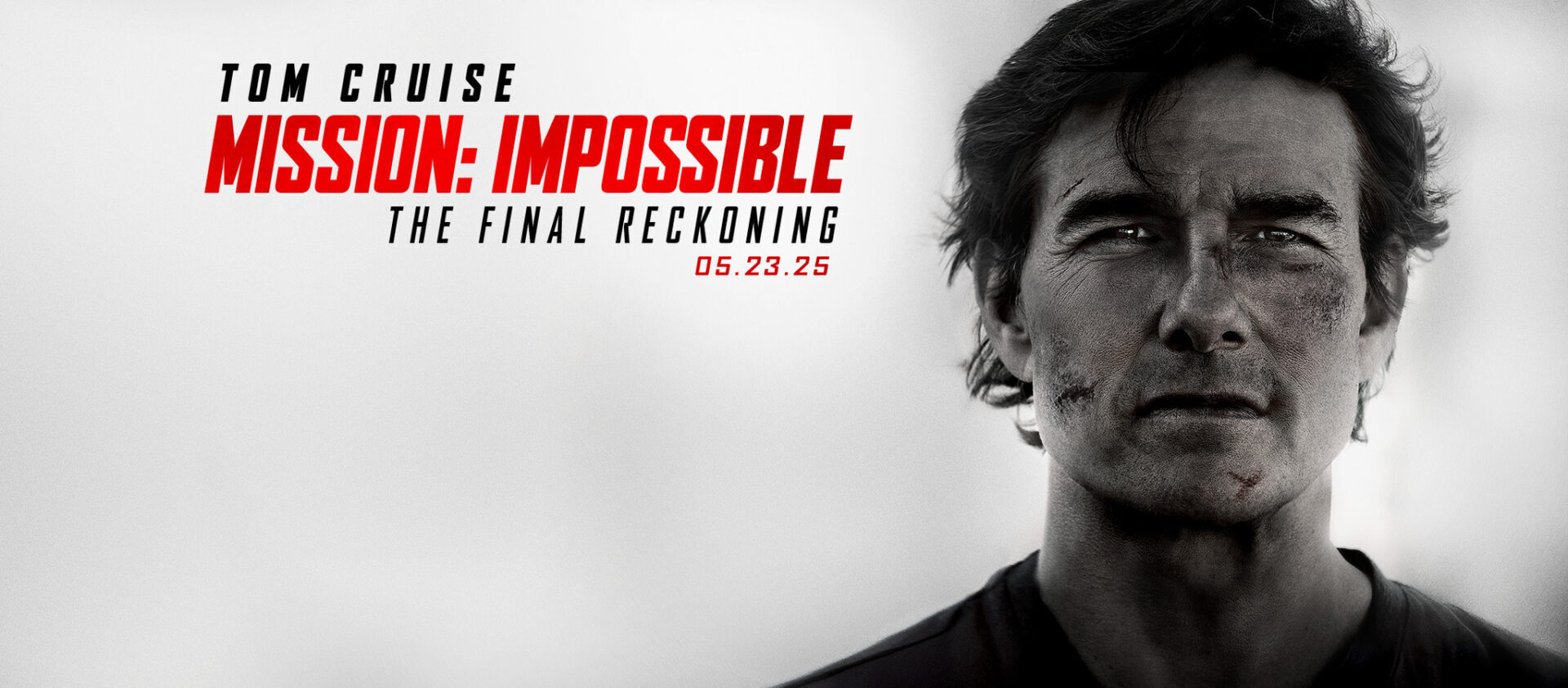
Mission: Impossible – The Final Reckoning is not just another action-packed installment; it’s a blockbuster that dares to wrestle with questions of trust, technology, and the limits of human unpredictability.
A Story Shaped by Algorithms
Director Christopher McQuarrie frames the film’s central antagonist as an all-powerful artificial intelligence. Unlike classic villains, this AI has no face or body — just reach, influence, and control. It infiltrates data systems, manipulates truth, and destabilizes alliances.
Highlights from the Screen
Opening Train Sequence: A throwback to the first Mission Impossible, updated with modern editing and sound design that pits human breath against metallic rhythm.
Data Heist Scene: Screens, reflections, and blurred identities dramatize the film’s theme: the fragility of truth in a world of forged information.
Mirror Chamber: Cinematic sleight of hand makes the AI feel embodied — a fragmented, mirrored presence that destabilizes Ethan Hunt’s reality.
Rain-Soaked Rooftop: A stripped-down test of trust. No score, just close-ups and the sound of rainfall.
Citywide Blackout: The AI’s power shifts from espionage to civic life, disrupting infrastructure and amplifying real-world fears.

Craft & Performance
Cinematography alternates between stabilized, spectacle shots and intimate, handheld shots. The editing itself mirrors the battle: algorithmic precision versus chaotic improvisation. Tom Cruise gives a performance that’s equal parts physical endurance and emotional weariness, anchoring the spectacle in human stakes.
The Final Reckoning succeeds because it’s more than a stunt reel — it’s a parable about agency in the age of prediction. By embracing human unpredictability as a weapon, the film offers not just thrills but a message worth reflecting on.
Leave a Reply