
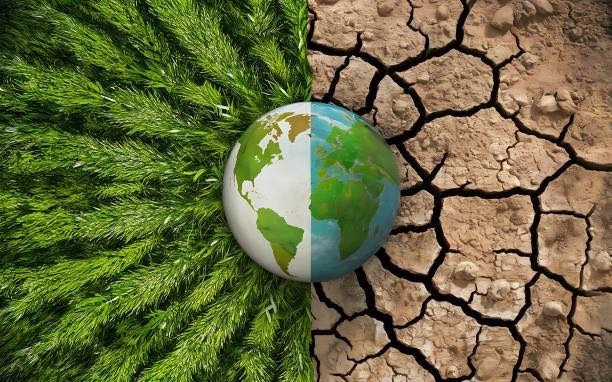
On May 5, 2026, the World Health Organization (WHO) published a landmark output report following the first hearing of the Pan‑European Commission on Climate and Health. The conclusion is unambiguous: climate change is no longer only an environmental concern; it has become a full‑blown health emergency affecting millions of Europeans every year. For the first time, the WHO is dedicating a ten‑year strategic framework specifically aimed at understanding and mitigating the health threats posed by rising temperatures, extreme weather events and environmental degradation.
A shocking record of health indicators
The WHO’s report states that of twenty key indicators tracking the health risks and impacts of climate change in Europe, twelve have set concerning new records in the latest year for which data is available. The rise in mortality from heatwaves, the expansion of the habitat of disease‑carrying insects (such as the tiger mosquito, vector of dengue and chikungunya), and the increase in respiratory illnesses linked to wildfires and air pollution are among the most worrying trends.
Extreme heat is particularly dangerous for pregnant women, newborns and young children. The WHO and the International Confederation of Midwives have jointly warned that rising temperatures are projected to cause an additional 250,000 deaths per year globally due to malnutrition, malaria, diarrhoea and heat stress, with a disproportionate impact on the most vulnerable populations. In January 2026, WHO convened a three‑day expert meeting in Geneva solely on the effects of heat exposure on Maternal, Newborn, and Child Health (MNCH), underscoring the urgency of the situation.
Southern Africa: a preview of what awaits Europe
While Europe warms, other regions are already experiencing the brutal consequences of climate change on health. Between January 1 and February 15, 2026, five Southern African countries reported a surge in cholera cases, with 4,320 cases and 56 deaths, compared to just 586 cases and 11 deaths during the same period in 2025. The outbreak is directly linked to floods and population displacement caused by extreme weather, illustrating how climate disruption destabilises water and sanitation systems and triggers disease epidemics.
Anounce from WHO, “The health threats of climate change have reached unprecedented levels”. The European region, despite its high level of development, is not spared. In response, the WHO has launched a US$ 1 billion appeal in 2026 to address 36 health emergencies worldwide, including 14 classified as Grade 3 (the highest level of organisational response).
Urgent action is needed
The WHO recommends that all European governments integrate public health systematically into their national climate adaptation plans. This requires strengthening early warning systems for heatwaves, training health professionals on climate‑related illnesses, investing in urban greening to combat urban heat islands, and rethinking hospital infrastructure to withstand extreme weather events. The message from the WHO is clear: inaction on climate is no longer just an environmental failure; it is a dereliction of the duty to protect human health. As the Pan‑European Commission continues its work, these alarming figures serve as a powerful reminder that climate change and public health are two sides of the same coin.
Sources & références :
WHO, “First hearing of the Pan‑European Commission on Climate and Health: Output report”, 5 May 2026.
WHO, “Health threats continue to grow, fuelled by climate impacts, environmental degradation”, 6 April 2026.
European Environment Agency (EEA), “Climate‑adapt”, March 2026.
International Confederation of Midwives, “Extreme Heat Is Putting Maternal, Newborn and Child Health At Risk”, 9 March 2026.
Eu‑Africa Chamber, “Southern Africa faces acute surge in cholera”, 26 February 2026.
Leave a Reply