
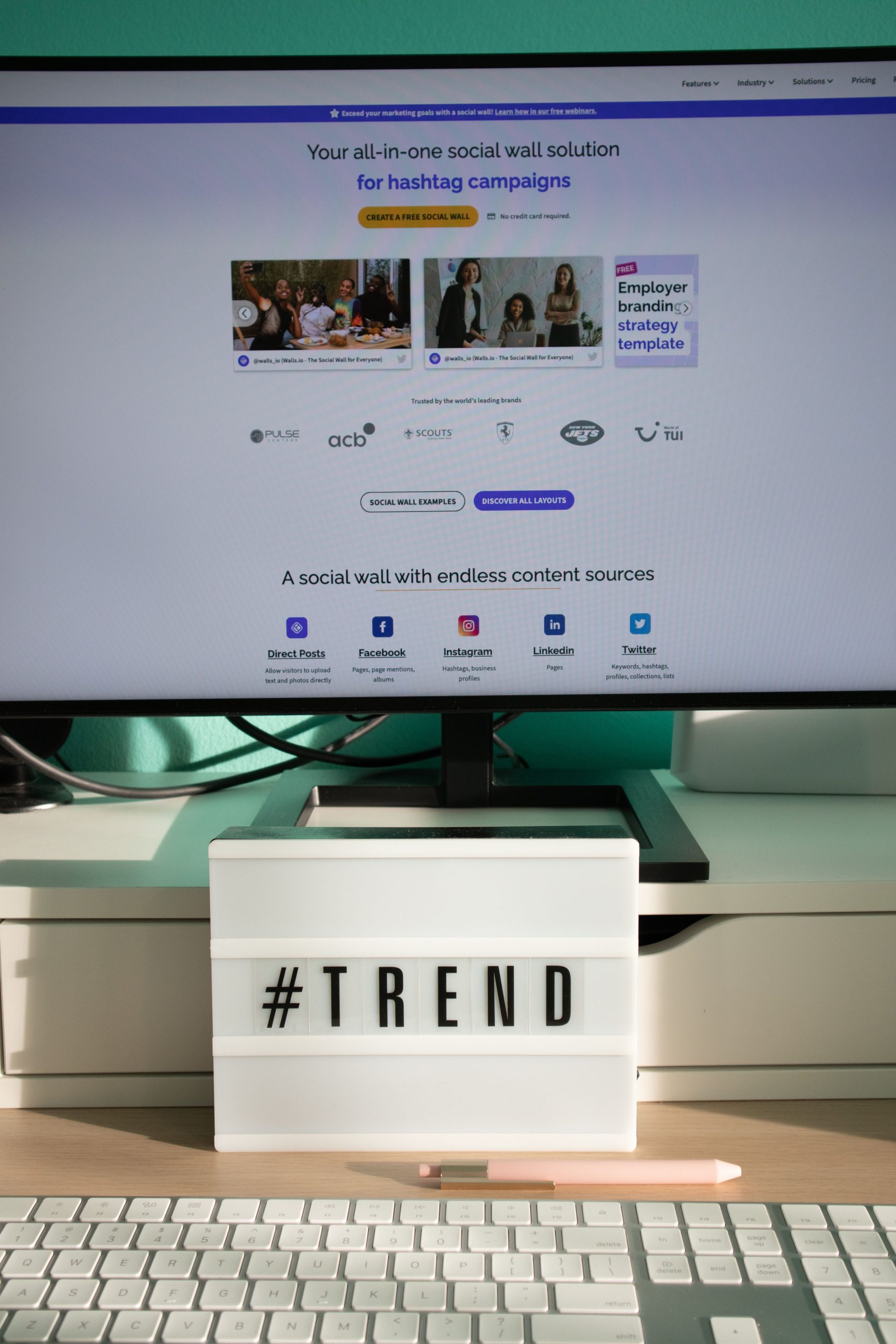
Virality is losing its shine. In 2026, chasing every meme signals short-term thinking. The brands and creators winning are building ownable worlds, not chasing fleeting moments.
The End of an Era
For the better part of a decade, the holy grail of social media was simple: go viral. A single video, a catchy sound, a provocative take — and your brand or persona would be catapulted into the collective consciousness. The algorithm was a fickle god, but when it smiled upon you, the rewards were immense.
Not anymore.
According to the annual SAMY report, which compiled insights from 27 social media experts across 22 agencies, we are now firmly in the “post-trend era.” Virality is losing its shine. In an oversaturated feed culture, chasing every meme now signals short-term thinking, not relevance. The brands and creators that are winning are building “ownable worlds” — repeating ideas, recognisable voices, and coherent content systems that feel familiar rather than opportunistic.
This is not just a shift in strategy; it is a fundamental change in how we relate to the digital world. The “post-trend era” is a reaction to years of algorithmic whiplash, where audiences have become oversaturated with short-term, transient content. In 2026, social-first no longer means posting more; it means standing for something.
The Authenticity Paradox
One of the most counterintuitive trends of 2026 is what experts call the “Authenticity Paradox.” As AI-generated content floods social feeds, authenticity becomes harder to fake — and more powerful than ever. Audiences are growing sceptical of anything too polished, craving human-made stories, real faces, and emotionally grounded perspectives they can trust.
In a world of virtual voices and perfect outputs, trust has become the only real differentiator. The more automated marketing becomes, the more brands must prove they are human. Computer-generated outputs are advancing so rapidly that distinguishing real from artificial is becoming increasingly difficult. Modern consumers are left questioning what, and who, they can trust. This skepticism is a direct response to the flood of AI-generated content that has saturated our feeds, making everything feel uniform and overly polished. Imperfection, individuality, and lived experience have become powerful assets.
From Authority to Affinity
Another major shift is the move from “renting authority” to “renting affinity.” As trust in traditional authority figures — institutions, celebrities, and polished corporate voices — erodes, consumers are retreating to “people like me.” Research from The Growth Distillery reinforces this shift, identifying “trusted,” “authentic” and “created by someone like me” as the strongest drivers of influence today.
This explains the rise of the “no-name creator” — individuals who may not have massive followings but possess deep, trusting relationships with their niche communities. In 2026, success is no longer measured by follower count alone; it is measured by the depth of connection.
The Rise of Niche Communities
As mass audiences fragment, smaller, intentional micro-communities are becoming increasingly influential. The era of the “broadcast” is over. In its place, we are seeing the rise of “micro-networks” and communities built around shared passions, values, and identities. These are not the fleeting viral moments of the past; they are sustained, meaningful relationships that brands can build upon over time.
TikTok’s own forecast for 2026 acknowledges this shift, noting that users are moving from “romanticizing life” to embracing what they call “The Great Lock-In” — a focus on self-improvement and creating new communities of accountability. In 2026, audiences are intentional, grounded, and aware that escapism is not enough. Brands that help audiences navigate life’s chaos together are earning real loyalty.
The Death of the Funnel
Traditional marketing funnels have collapsed. The linear journey from awareness to consideration to purchase no longer exists. Discovery, validation, and purchase now merge into one continuous scroll. Consumers are in “full-on discovery mode,” following their curiosity and expecting a return on the time they invest. This means that every piece of content is now a potential point of conversion — and a potential point of rejection. The brands that win in this environment are those that combine human insight with smarter AI tools and richer data to create content that feels relevant, responsive, and genuinely worth engaging with.
What This Means for You
The post-trend era is not a warning; it is an invitation. It is an invitation to stop chasing the algorithm and start building something real. It is an invitation to embrace imperfection, to tell stories that matter, and to connect with people on a human level. The brands and creators that will thrive in 2026 are those that commit to “real perspective, real people, and real relevance” — or they will quietly disappear from culture.
The days of the viral lottery are over. The era of sustained cultural relevance has begun.
Sources & References:
SAMY / LBBOnline – “Post-Trend Era, Death of the Funnel and 5 Other Trends for Social-First in 2026”
IMPACT – “Out with the new, in with the old: Social Media in 2026”
TikTok Newsroom – “Introducing TikTok Next 2026: Our Trend Forecast for Marketers for the Year Ahead”
Inc.com – “Meet the ‘No-Name Creator’: The Surprising Social Media Trend Driving Sales in 2026”
#PostTrendEra #SocialMedia2026 #Authenticity #NicheCommunities #DeathOfTheFunnel #FutureOfWork
Leave a Reply