
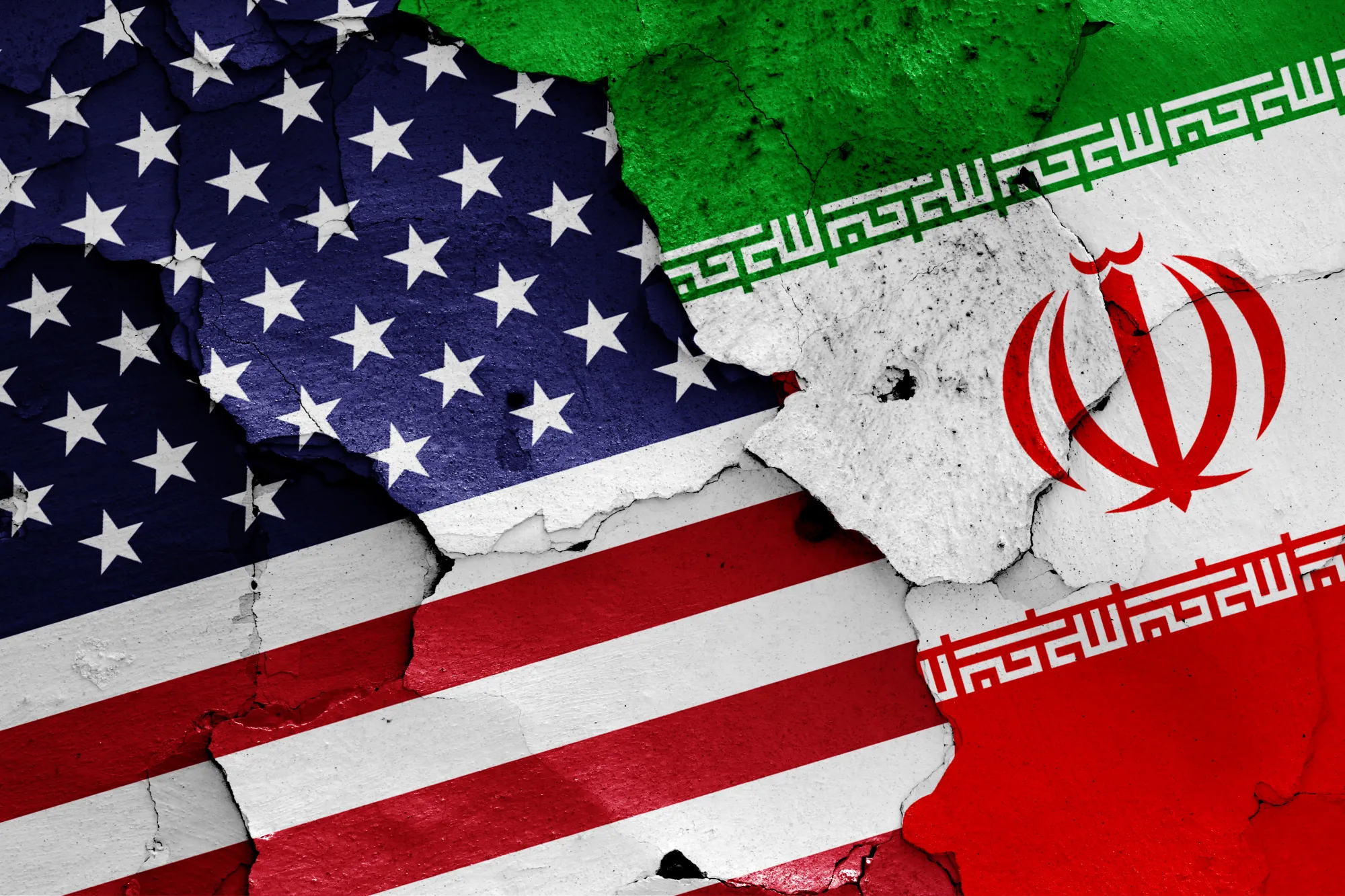
A comprehensive update on the ongoing military confrontation that is reshaping the Middle East
As the war between the United States and Israel against Iran enters its fourth month, the conflict shows no signs of de-escalation. Since February 28, 2026, the two allies have been engaged in a direct military confrontation with Tehran, targeting key military and nuclear facilities across the country. Despite repeated calls for a ceasefire from international bodies and humanitarian organizations, hostilities have only intensified, with Washington and Tel Aviv reportedly planning a new wave of strikes aimed at crippling Iran’s remaining capabilities.
According to intelligence reports leaked to major news agencies, the US and Israel have divided labor in this conflict: Israel focuses on targeted assassinations of military leaders and nuclear scientists, while the US concentrates on destroying Iran’s air defense systems, missile bases, and nuclear enrichment sites. This coordinated strategy seeks to weaken Iran’s ability to retaliate effectively while avoiding a full-scale ground invasion that could bog down American forces for years.
Trump’s “postponed attack” and diplomatic maneuvers
In recent days, President Donald Trump claimed to have postponed a planned major attack on Iran, signaling that military action remains on the table if diplomatic efforts fail. Speaking to reporters at the White House, Trump said: “We are giving peace a chance, but we are also preparing for every scenario. Iran knows that we have the biggest and best military in the world.” This statement came after Pakistan’s mediation efforts, led by Interior Minister Mohsin Naqvi, stalled due to Iran’s refusal to halt its support for regional militias.
Meanwhile, Tehran has responded with defiance. The Iranian government activated air defense systems in Isfahan, Qeshm Island, and around the Bushehr nuclear facility, and has vowed a “swift and decisive response” to any new “aggression”. Iranian Foreign Minister Hossein Amir-Abdollahian warned that “any miscalculation by the enemy will be met with a painful response that will change the map of the region.”
The Strait of Hormuz and global energy markets
A key dimension of this conflict is the potential closure of the Strait of Hormuz, through which approximately 20% of the world’s oil passes. Iran has repeatedly threatened to block the strait if its facilities are attacked. While the strait remains partially open for now, insurance costs for tankers have skyrocketed, and several shipping companies have rerouted vessels, adding weeks to delivery times. Oil prices have fluctuated wildly, briefly touching 130 per barrel in April before settling around 130 per barrel in April before settling around 105-$110.
The International Energy Agency (IEA) warned that a full closure of the strait for even a month would cause a global recession, with oil prices potentially exceeding $200 per barrel. European countries, heavily dependent on Middle Eastern oil, are particularly vulnerable. Some EU nations have accelerated their transition to renewable energy, but analysts say it will take years to reduce dependency on Gulf oil.
Regional alliances and proxy warfare
The war has also intensified proxy conflicts across the region. Iranian-backed Houthi forces in Yemen have stepped up drone and missile attacks on Saudi Arabia and the UAE, while Hezbollah in Lebanon has exchanged fire with Israeli forces along the border. Pro-Iranian militias in Iraq and Syria have targeted US bases, prompting American airstrikes. This widening circle of violence threatens to turn the US-Iran confrontation into a broader regional war.
US intelligence sources have warned that “unless the United States proves with absolute certainty the destruction of 100% of Iran’s military capabilities, or guarantees its full ability to contain any future escalation, tensions will persist for years.” Some Pentagon officials privately admit that a decisive military victory is unlikely, and that the conflict may end in a negotiated settlement similar to the 2015 nuclear deal — but with tougher terms for Iran.
What’s next?
As the war enters its fourth month, both sides are showing signs of strain. Israel has called up reserve units, and the US has deployed additional naval assets to the Persian Gulf. Iran, meanwhile, is facing economic hardship due to sanctions and military spending, but its leadership remains defiant. The diplomatic window remains open — Pakistan, Oman, and Qatar continue to mediate — but the gap between the parties is wide. The coming weeks will determine whether the conflict escalates further or moves toward a fragile ceasefire.
Sources:
BBC News: US-Israeli war on Iran 2026: Months of planning and a bloody outcome (2 March 2026). bbc.com
Al Jazeera: Direct Iran war.. Trump speaks of “serious” negotiations and postpones attack. aljazeera.net
Reuters: US and Iran exchange strikes, Trump says ceasefire not holding (7 May 2026). reuters.com
International Energy Agency (IEA) – Oil Market Report, May 2026.
Leave a Reply