
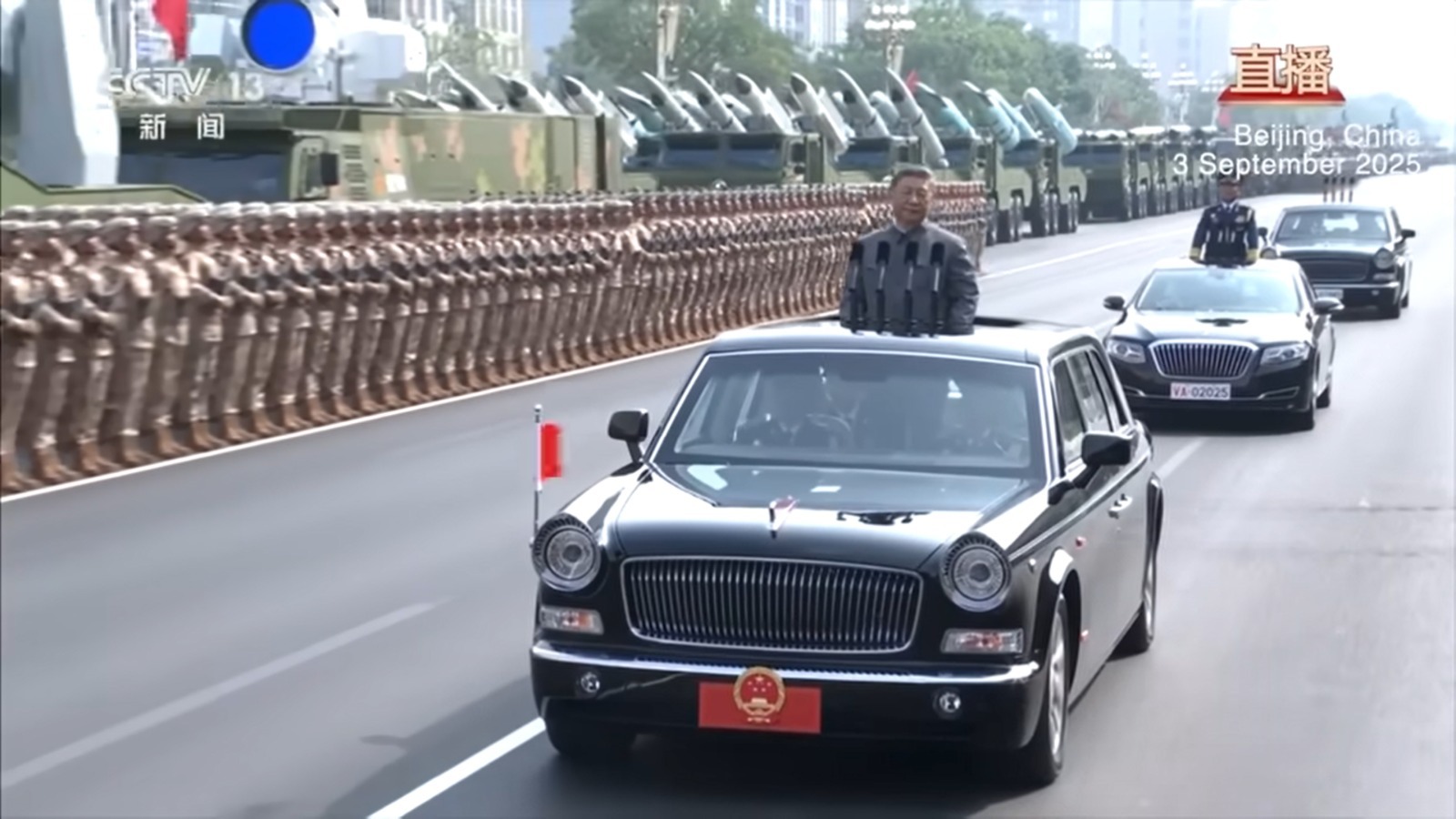
In 2025, signs of a tectonic shift in global power are unmistakable. For half a millennium, the world order was shaped by Western dominance—from colonial empires to industrial revolutions and post–World War II liberal hegemony anchored by the United States. Yet, today’s political and economic landscape is radically different: power is decentralizing, emerging economies are ascending, and regional blocs are playing larger roles. This is the era of multipolarity.
1. Western Decline: Hard Numbers
An IMF review reveals that between 20 03 and 2023, emerging and developing economies’ share of global output (in PPP terms) rose from about 50 % to nearly 59 %—a 7 to 8-point increase that marks a fundamental redistribution of economic influence World Policy Hub.
Analyses further highlight that in 2016, Europe held 16.8 % of global GDP and the U.S. 15.6 %, while Asia already accounted for 31.8 %. Two decades earlier, Europe’s share was 24.3 % and the U.S.’s 20.2 %—a growing divergence the future projections suggest will only deepen Wiley Online Library.
Moreover, data from the Wall Street Journal outlines how Europe’s economic output fell from 33 % of the global economy in 2005 to just 23 % in 2024—a decline with lasting ramifications for its global clout The Wall Street Journal.
2. Global Institutions Signal Change
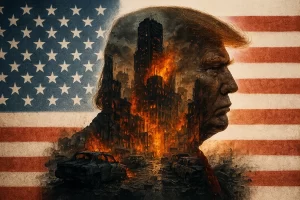
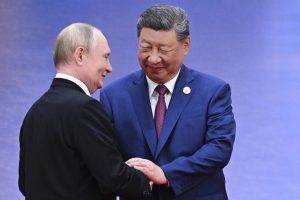
The 2025 Shanghai Cooperation Organization (SCO) summit in Tianjin brought together leaders from China, Russia, India, Iran, and others in a potent demonstration of a shared interest in reducing U.S. dominance. Chinese leadership framed the gathering as an essential milestone toward a multipolar world order AP News.
Likewise, a recent Munich Security Conference report confirms that the global order is evolving from post–Cold War unipolarity to a more complex multipolar system. While this shift promises a more equitable distribution of influence, it also poses risks of increased fragmentation and diminished capacity for coordinated action Anadolu Ajansı.
3. Voices from the Power Players
Russian Foreign Minister Sergei Lavrov described multipolarity as “a natural part of power rebalancing,” calling it irreversible. He emphasized that regional blocs—like the African Union, ASEAN, and BRICS—are asserting sovereignty, diversity, and new centers of decision-making beyond Western frameworks BLiTZ.
4. Structural Realignment: BRICS, Asia, Africa
Emerging economies aren’t simply gaining market share; they’re forming institutional alternatives. BRICS—now incorporating Egypt, UAE, Indonesia, and others—is envisioned as a model of multilateral cooperation that operates outside traditional Western structures Post factumWikipediamendeley.com.
India alone now ranks as the fifth-largest economy globally, with a GDP of approximately $3.94 trillion (2024), trailing only behind the U.S., China, Germany, and Japan. By mid-century, projections show India rising even further, consolidating the economic shift toward Asia worldfinancialreview.com.
5. Theoretical Insights: Kindleberger & Power Transitions
Multipolarity isn’t a fad—it’s part of enduring patterns captured in geopolitical theory. The Power Transition Theory suggests that major power shifts occur when rising challengers challenge a declining hegemon, increasing the likelihood of conflict unless managed through cooperative mechanisms Wikipedia.
Joseph Nye’s concept of the “Kindleberger Trap” further warns that a transition loses legitimacy when no new power provides global public goods—like security and open trade—creating instability rather than leadership continuity Wikipedia.
6. Risks Ahead: Fragmentation or Inclusive Order?
As governance decentralizes, the question becomes: will multipolarity bring cooperation, or conflict? Will institutions adapt or disintegrate?
The Munich report cautions that without shared rules and norms, multipolarity could equate to fragmentation—a world with more actors but fewer solutions Anadolu Ajansı.
A New Global Script
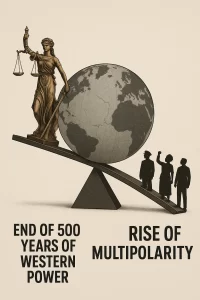
We are witnessing the twilight of a 500-year Western-dominated epoch. Emerging powers are no longer peripheral—they are shaping economic corridors, alliances, technological standards, and geopolitical narratives. The future world order will likely be inherently contested, complex, and multi-centric. Whether this new multipolarity becomes a platform for inclusive governance or a fragmented battle of blocs depends on diplomacy, institution-building, and visionary leadership.
Leave a Reply